
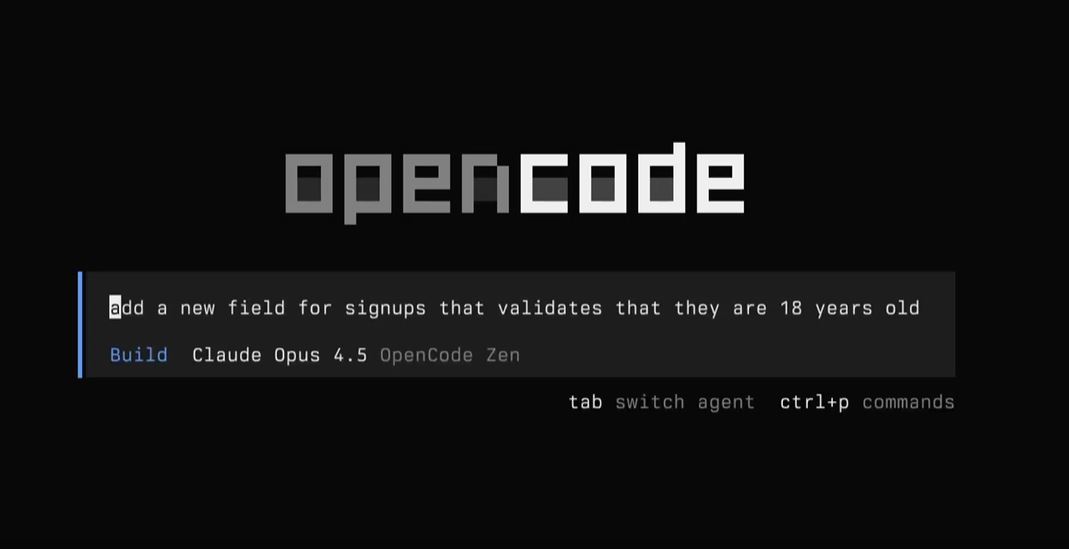
screenshot taken from: https://opencode.ai/_build/assets/opencode-min-CiEsORKQ.mp4
When
Wednesday, 25th February 2026, 7:00pm to 10:00pm
Where
c-base Raumstation, Rungestrasse 20, Berlin, Germany
Hosting Organization
Symfony User Group Berlin
Participation Fee
Free Entrance
Agenda
Host Intro, Talk 1, Pizza Break, Talk 2, Socializing
Topics Covered
Housekeeping and a Free Drink for Anyone Who Knows the Latest Symfony Version (Host Intro), Spec Driven Development with the Open Source AI Coding Agent OpenCode (Talk 1), Deep Dive on the PHP Dependency Manager Composer (Talk 2)
I’ve learned something today
- Spryker is a powerful example of how Symfony, a PHP framework, can be leveraged to build a modular, enterprise-grade commerce operating system. It demonstrates how flexible, reusable Symfony packages enable businesses to rapidly innovate and scale complex e-commerce solutions.
- Headless architecture separates the frontend from the backend, turning the backend into a pure data provider that delivers content via APIs. In a broader context, this decoupling enables greater flexibility, scalability, and technology choice, making it especially attractive for modern web and e commerce platforms that need to serve multiple channels and devices.
- When discussing coding agents, familiarity with the vocabulary of agent, subagent, prompt, agents.md, constitution.md, orchestrator, and token is essential for software engineers to meaningfully follow the architecture, control flow, and reasoning mechanisms involved.
- Spec Driven Development defines a clear and testable specification before any code is generated and turns requirements into a structured contract that guides AI agents through planning, task creation, and implementation. In contrast, vibe coding relies on loosely defined prompts and iterative experimentation and often produces fast prototypes without ensuring architectural rigor or production grade reliability.
- If you want to get started with Spec-Driven Development, then the page github.com/github/spec-kit can be recommended to you. Here you find an open-source toolkit that helps you focus on clear product scenarios and predictable outcomes instead of coding everything from scratch or trying to vibe code your way into production.
- Cross-Site Request Forgery (CSRF) is when a malicious website (like evil.com) tricks your browser into sending a request to another site you’re logged into (like bank.com). If bank.com uses cookies for login and doesn’t protect against Cross-Site Request Forgery, it may treat the fake request as if you actually meant to send it.
- A crashed space station in the heart of Berlin remains a fantastic venue for tech enthusiasts:
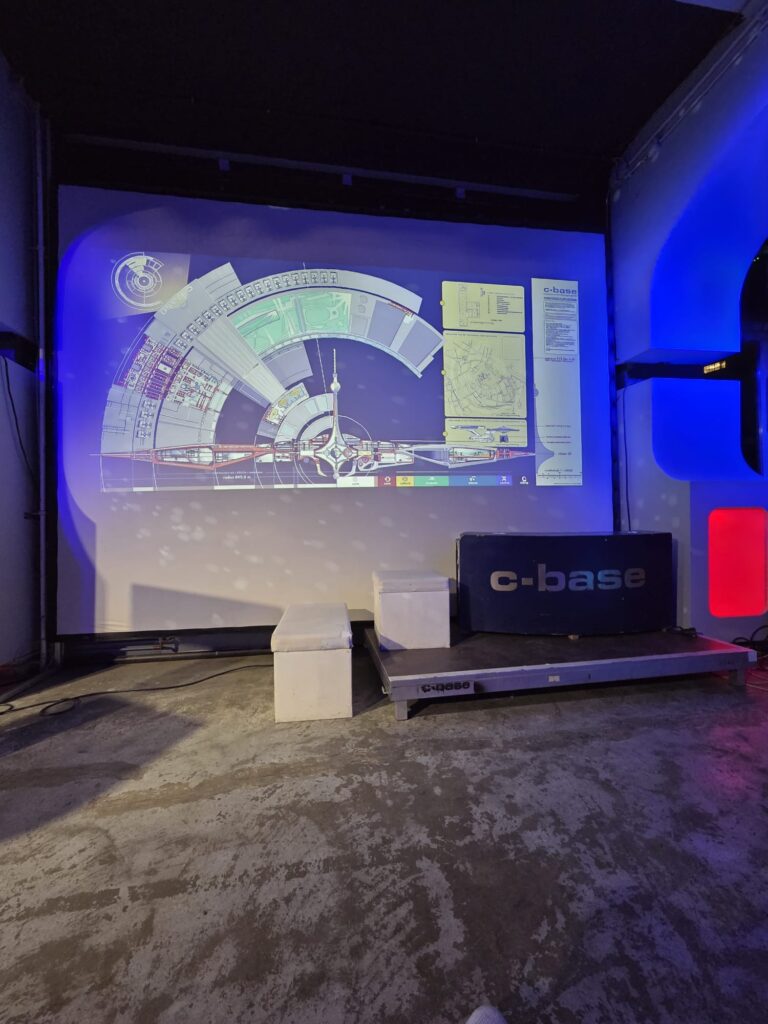
picture taken at venue
Published:
Modified: