
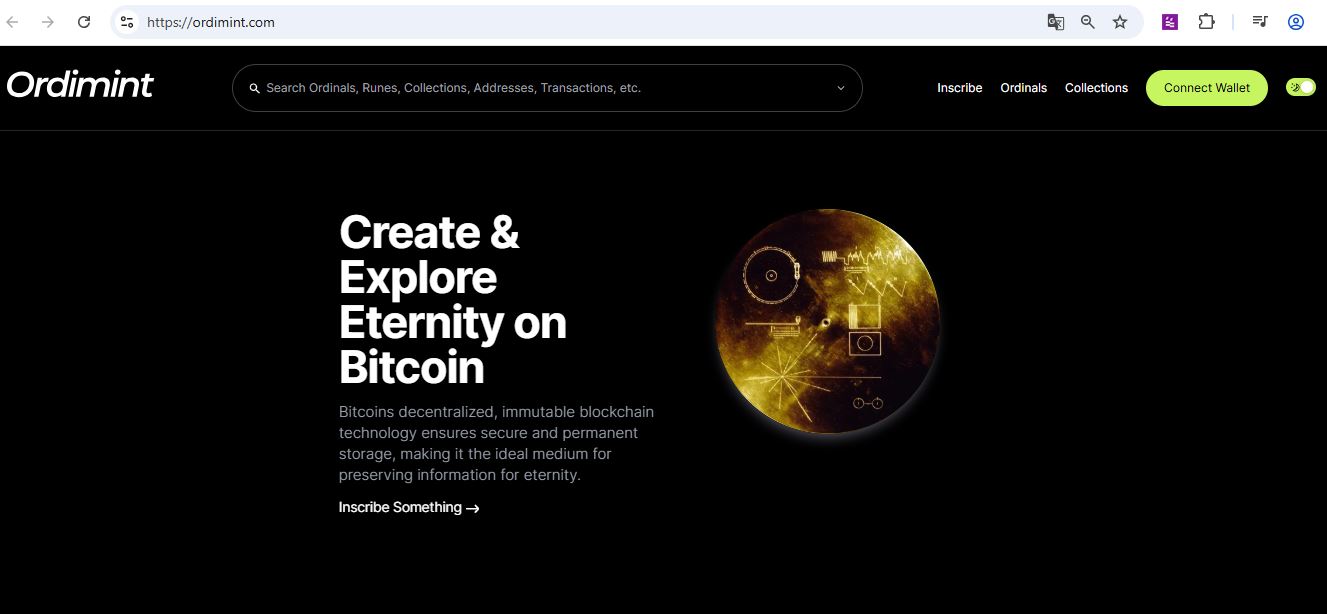
screenshot taken from: https://ordimint.com/
When
Wednesday, 13th May 2026, 7:00pm to 10:00pm
Where
c-base, Rungestraße 20, Berlin, Germany
Hosting Organization
BitDevs Berlin
Participation Fee
Free Entrance
Agenda
Socializing, Host Intro, Open Discussion
Topics Covered
Sponsor nada nada, Chatham House Rule & No-Pictures-Rule(Host Intro), Quantum Freeze, Inflation Bugs, A Ledger Nano Supply Chain Attack, Bitcoin 2026 in Las Vegas & Other Topics (Open Discussion)
I’ve learned something today
- If someone wants to catch the latest technical chatter around Bitcoin, cryptography, and Web3 development in Berlin, BitDevs Berlin’s Socratic Seminar is one of the best places to do so. On bitdevs.berlin, the discussion points from the past 80 events, starting with the first one on 16 October 2019, are available.
- Hardware implants involve adding hidden circuitry to otherwise legitimate devices in order to intercept communication, manipulate behavior, or exfiltrate data. These implants can enable spoofing, remote access, or memory manipulation by interfacing directly with internal buses and control signals. According to public reports, a real-world example involved tampered Ledger devices that were reportedly mailed to Ledger customers after Ledger’s 2020 customer data leak.
- Bitcoin Core is the reference software implementation that powers and validates the Bitcoin network used by thousands of nodes worldwide. When critical vulnerabilities are discovered, developers sometimes deploy “covert fixes” disguised as ordinary maintenance updates so attackers do not immediately realize a severe security flaw exists and exploit unpatched nodes before the wider network upgrades.
- The quantum freeze refers to proposed Bitcoin upgrades that could permanently freeze coins stored in older, quantum-vulnerable wallet formats before sufficiently powerful quantum computers can crack their cryptographic keys. It is being discussed because advances in quantum computing are forcing the Bitcoin ecosystem to think about how to protect billions in dormant or long-term-held BTC, including Satoshi Nakamoto’s wallets, without undermining property rights or decentralization.
- An inflation bug is a critical software flaw that can allow a cryptocurrency system to create unintended new coins and break its monetary rules. One notable example was Bitcoin’s 2018 inflation bug, which developers secretly patched before attackers could exploit it.
- In the Bitcoin ecosystem, sudden emergency updates are a practice frowned upon by many node operators because they could become a vehicle for malicious code introduced by compromised or malicious actors. As a result, many operators delay upgrades for months or even years, a security measure that can ironically leave them vulnerable to unpatched software flaws.
- Unassuming as they may seem, behind these windows lies a crashed spaceship:

picture taken at venue
Published:
Modified: